Do More With Less Challenge Day 3 Recap: Make and Save Money With AI

Posted by
Latest Posts
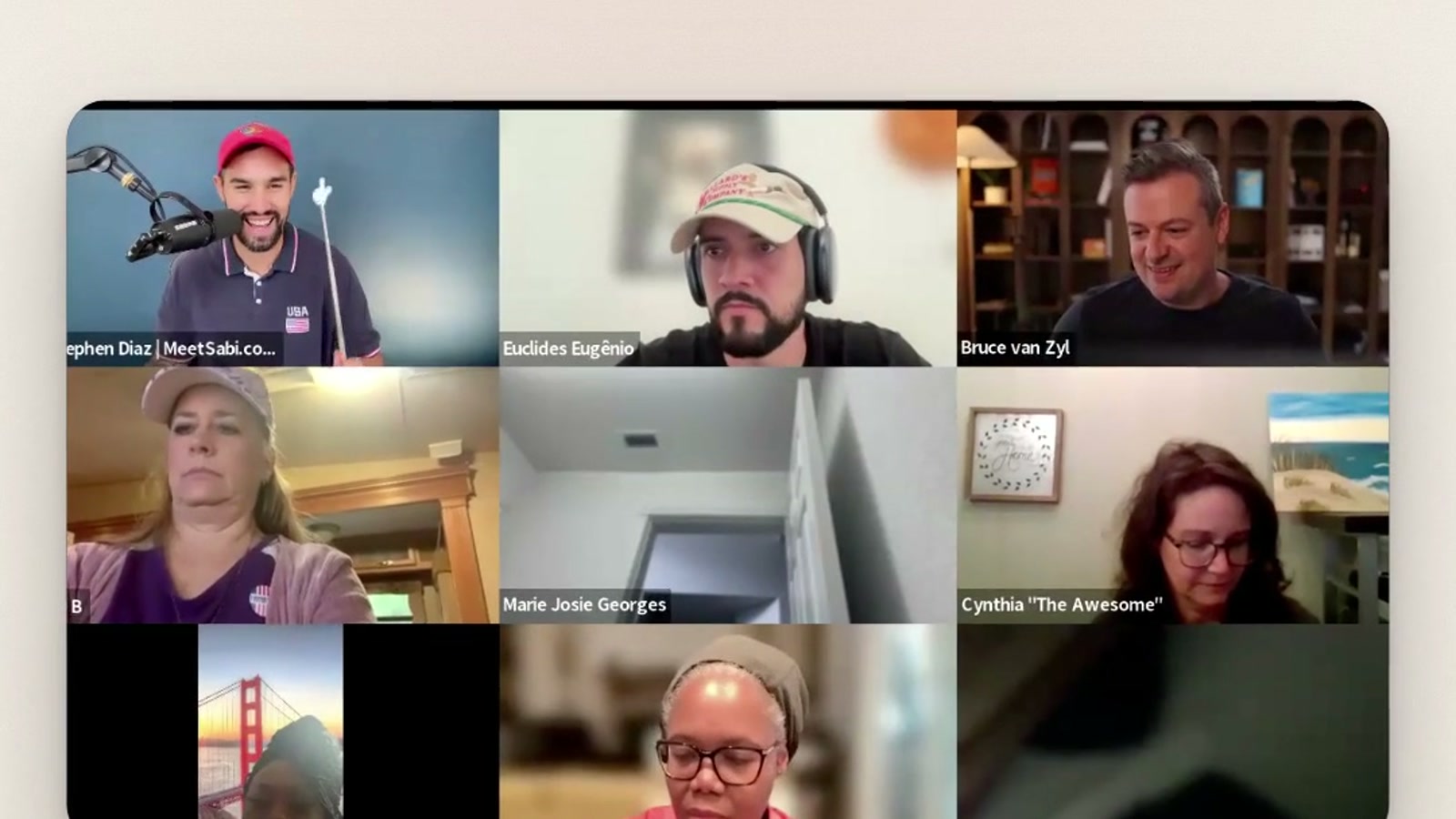
Day 3 of the Do More With Less Challenge was about money: putting an AI assistant on work that brings customers in, and on the leaks that quietly drain your business. The goal I gave the room was simple. By the end of the hour, your assistant should pay for herself.
Here's the recap: the workflows, the money shifts, and what members did with them.
What was Day 3 of the Do More With Less Challenge about?
Day 3 covered two sides of the same coin: making money and saving money with an AI assistant. We asked the chat which one they needed more right now. Most said "make." A few said "BOTH," in all caps.
The day was built around six money shifts, short changes in how you think about money and help. Most of the session lived in the first three. The first one set the tone: from tool to teammate. Stop paying for software you have to run, learn, and babysit, and hire help that runs itself.
If you're just finding the challenge, the Day 1 recap covers setting up your assistant and the Day 2 recap covers designing your week.
How can an AI assistant help you make money?
An AI assistant makes you money by doing the repeatable outreach you know you should be doing and never get to. The trick is giving her a recurring task, not a one-off question, because she does it every week until you say stop.
Jake and Tanya, two of our clients, put their assistant on lead generation for their service businesses. She finds prospects and books calls. Jake's words: "This thing is saving me at least eight hours on the road a week. At least." Now his job is "to just get on Zooms or in-person meetings and close business."
The workflows we walked through on Day 3:
- Find five ideal customers a week. Describe who you serve, and she researches matches, drafts short personal emails into your drafts folder, and texts you when they're ready.
- Pitch partners, not just customers. Ask her to find five podcasters, newsletter hosts, or influencers a week whose audience is your ideal customer.
- Harvest referrals. Have her scan the last 12 months of email for happy clients and draft a simple "do you know anyone else?" note.
- Ask for reviews. A recurring nudge to recent clients while the experience is fresh.
- Show up in AI search. Once a week, find recent Reddit threads in your niche and draft a genuinely helpful reply.
- Turn your calls into content. Pull clips and post ideas from what you already say on Zoom.
Referrals work for a reason: Nielsen found 92 percent of consumers trust recommendations from people they know.
Why market to one person instead of one customer at a time?
Because one partner can bring you a thousand customers. Most owners think about marketing to one person. The bigger move is marketing to one person who influences many.
Chelsea and I once spent one hour on someone else's podcast. She dropped a link to our business in the show notes, and that single episode generated $250,000 for us over the next year.
We used to have a full-time partnership coordinator doing that outreach. Today Sabi does it. In my words from the session: "This one thing has replaced a $70,000 a year hire."
How can an AI assistant help you save money?
An AI assistant saves you money by watching where it goes. On Day 3 we connected bank accounts through Plaid, the secure connector a lot of financial apps use. Plaid puts it this way: each connection only happens with your permission, and you can stop sharing at any time. Sabi gets read-only visibility, never your routing or account numbers.
Once she can see the money, she can help with:
- Subscription audits. She flags what you're paying for and not using. I had her cancel two subscriptions I didn't even know were hitting.
- Chasing invoices. She sees what's unpaid and drafts the follow-up most service owners hate sending.
- Fee renegotiation. Card processing fees can be negotiated. She can draft the ask.
- Replacing outsourced design. Flyers, ads, and graphics in your brand colors, because her memory keeps your brand.
What is your buyback rate?
Your buyback rate is the most you should pay to get an hour of work off your plate. It comes from Dan Martell's book Buy Back Your Time: divide your annual income by 2,000 hours, then divide that by four.
If you pay yourself $200,000 a year, your hourly rate is $100 and your buyback rate is $25. Any task someone else could do for less than $25 an hour shouldn't be on your plate.
The Day 3 page builds the prompt for you. Send it to Sabi, and she saves your buyback rate to memory. From then on she watches for the low-value work you keep doing and offers to take it.
What is the bottleneck tax?
The bottleneck tax is the invisible cost of every task that has to run through you. It's the client who went somewhere else because you didn't follow up. The post that never went out. The email you answered at 9:47 PM while your body was in bed and your mind was still at work.
My line from the day: sometimes the most expensive things might not be on a statement. A subscription feels expensive because you see it every month. The bottleneck tax never shows up on a bill, so you pay it quietly.
In the workshop, members listed what they're still doing themselves and how many hours it takes: bookkeeping, follow-up emails, organizing papers, content. Then they estimated what slips through the cracks. Sabi totals it up and builds a plan to bring the number down.
Is it about what AI costs or what it's worth?
It's about what it's worth. We showed two founders who both make $300,000 a year. Kevin works 80 hours a week. Katie works 10. Then I asked the chat who was wealthier. "Katy" flooded in from all over the room. One member wrote, "Let's be Katy lol."
Kevin asks, "How much does this cost?" Katie asks, "What's this worth?" I almost fell back into Kevin's thinking with AI myself, even after years of learning to hire help. It's not about what it costs. It's about what it's worth.
What did members do on Day 3?
Members were sharing wins before we even started. A few from the chat and the call:
- Linda sent out 20 lead emails.
- Elizabeth wrote that Sabi has given her back 4 hours, clearing her email and managing appointments.
- Tara said Sabi is helping her "get out of my hot mess of an inbox."
- Tb B woke up to post drafts waiting, "and they sounded like me."
- Pete wrote that Sabi did his logo and is doing the promo for his business.
- Jacqueline is working the five leads Sabi found for her DJ entertainment business.
- Penney asked Sabi to find homeschool moms who feel like they're failing, and Sabi found podcasts built for exactly that audience.
- Ana came on camera: Sabi walked her through getting liability insurance, and she's making a mini movie from her children's book. "I love Sabi. I'm gonna keep it."
Common mistakes when using AI to make or save money
The biggest mistake is asking AI one-off questions instead of giving it recurring jobs.
- One-and-done prompts. Put money work on a schedule. "Every Monday, find me five..." beats a single search.
- Thinking small. Don't only chase customers one at a time. Find the people who already have your customers' attention.
- Watching only visible costs. The bottleneck tax is usually bigger than any subscription on your statement.
- Not knowing your number. Without a buyback rate, every task feels equally urgent. Calculate it once and let your assistant filter for you.
FAQ
Q: Can I still watch Day 3 of the Do More With Less Challenge? A: Yes. The Day 3 replay is on the Day 3 page while the challenge is running. Replays come down after the challenge week.
Q: Is it safe to connect my bank account to an AI assistant? A: Sabi connects through Plaid with read-only access. She never sees your routing or account numbers, and you can disconnect anytime.
Q: How do I calculate my buyback rate? A: Divide your annual income by 2,000, then divide by four. Or send the prompt on the Day 3 page to Sabi and she'll do the math and remember it.
Q: What's the fastest money workflow to start with? A: The weekly "find five ideal customers" task. It takes a few minutes to set up and runs every week after that.
TL;DR
- Day 3 of the Do More With Less Challenge put an AI assistant to work making and saving money.
- Give her recurring money jobs: leads, partners, referrals, reviews, and content.
- One podcast episode brought us $250,000. Market to people who reach many.
- Your buyback rate is your annual income divided by 2,000, then by four.
- The bottleneck tax is the cost of everything that runs through you. It never shows up on a statement.
Missed it, or want to do the workshops yourself? Watch the Day 3 replay here before the replays come down.